
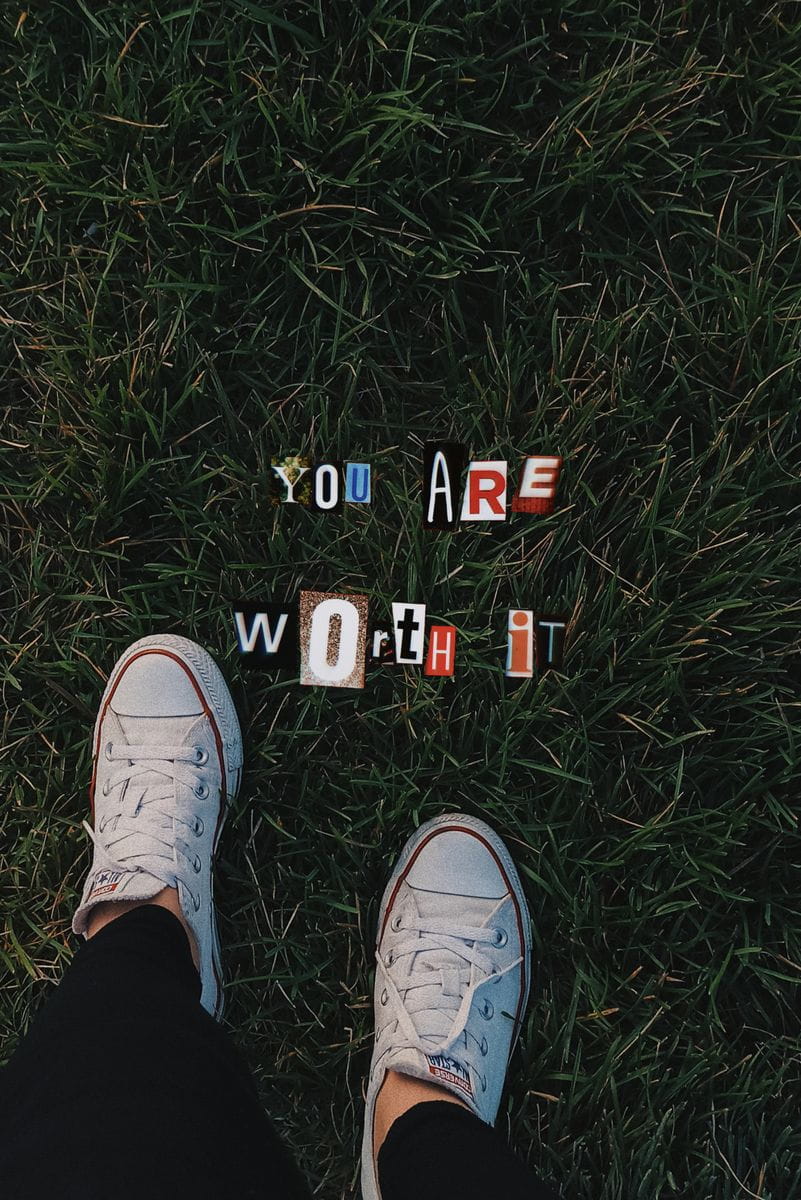
Understanding inherent self-worth is essential to our overall well-being. Inherent self-worth, at its core, is the unwavering understanding that your value doesn’t depend on your achievements, possessions, or external validation.
It’s that deep-seated sense of worthiness that remains constant, no matter how the world around you shifts. Understanding this is crucial because it influences how you perceive and value yourself in everyday life.
Self-worth often gets tangled with concepts like self-esteem and self-confidence. While self-esteem relates to how you feel about your abilities and qualities, and self-confidence is more about your trust in your skills and judgment, self-worth is the firm belief in your intrinsic value.
It doesn’t waver with day-to-day ups and downs.
Peeling back the layers of the mind, you find that the psychological and emotional roots of self-worth are formed early, influenced by childhood experiences, family dynamics, and social environments. The messages and signals received during these formative years lay the groundwork for how individuals perceive themselves as adults.
A strong sense of self-worth can act as a foundation, a place you can return to when life’s trials try to shake you. Developing clarity about what it means can be the first step towards making it an unshakeable part of who you are.
Understanding the basics of inherent self-worth gives you the tools to move forward with confidence and clarity. As you deepen your understanding, you’re not just learning about yourself but also setting the stage for stability in your personal and professional life.
Understanding Inherent Self-Worth — Why Inherent Self-Worth Matters Across Life Stages
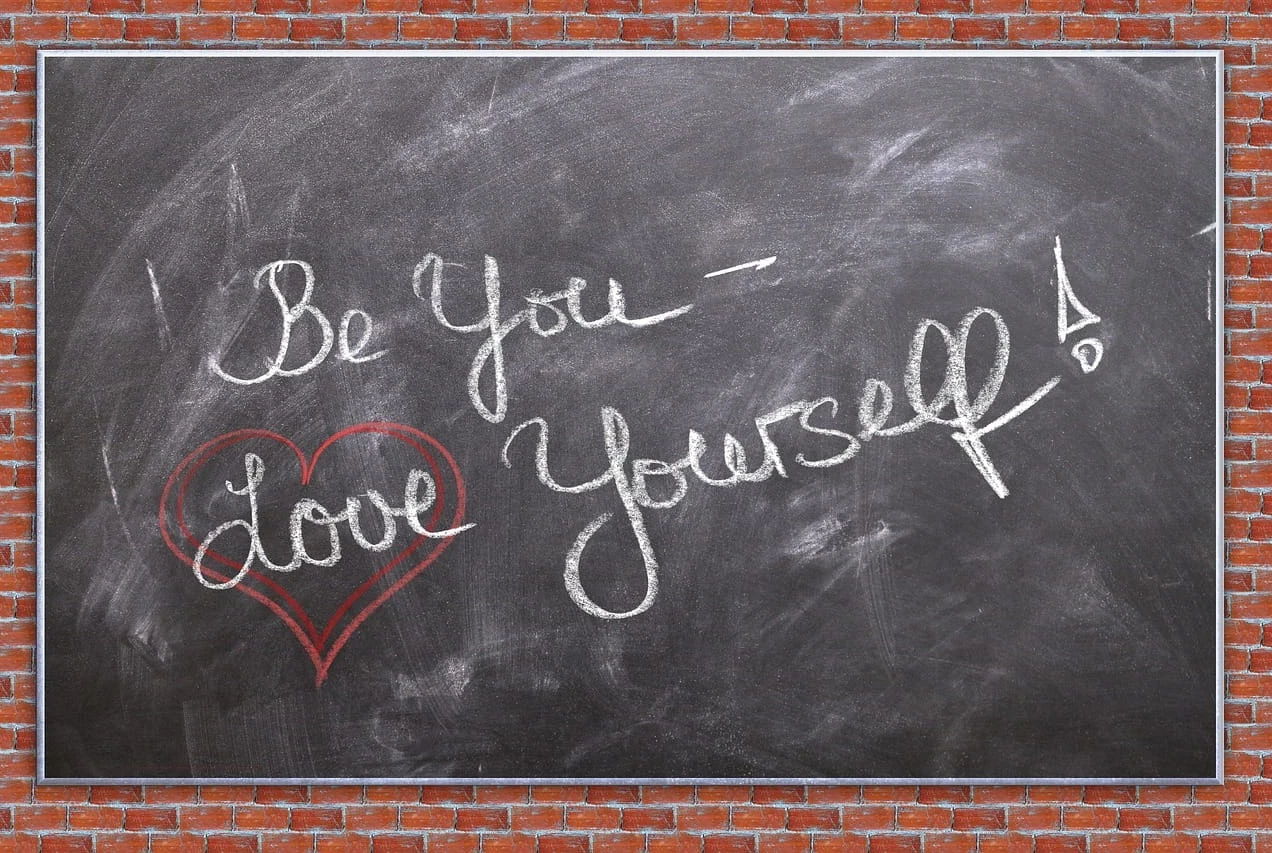
“Life is really not easy, we all have our personal battles, but it is important that you really treasure yourself, love yourself and have a sense of self-worth.”
Having a sense of unshakeable self-worth isn’t just about feeling good—it’s about carrying that value into every aspect of your life. From childhood, when self-worth influences how you handle setbacks and challenges, to adulthood, when it colors your approach to your career and relationships, this intrinsic understanding serves as your inner compass.
During personal development, self-worth serves as a guide. It’s like that whispering voice encouraging you to pursue dreams, brush off failures, and embrace who you truly are.
Kids and teens with a solid sense of their own worth tend to take healthier risks and recover from failures with more resilience.
As you transition into your career, your perception of self-worth affects the choices you make—whether to take a leap of faith in a job or settle for less because you doubt your value. Those who recognize their worth are more likely to advocate for themselves, seek jobs that align with their values, and avoid toxic work environments.
Relationships? Well, they thrive when built on a foundation of mutual respect and understanding of each other’s inherent worth.
A person who values themselves tends to engage more positively within their social circles and romantic relationships, avoiding unhealthy dynamics or codependencies.
In every stage, recognizing your inherent worth encourages authentic living. It’s the difference between just surviving and truly thriving. By acknowledging this, you give yourself the permission to pursue happiness and fulfillment, unboxed by external expectations.
Identifying and Overcoming Self-Worth Barriers
“I’ve learned that fear limits you and your vision. It serves as blinders to what may be just a few steps down the road for you. The journey is valuable, but believing in your talents, your abilities, and your self-worth can empower you to walk down an even brighter path. Transforming fear into freedom – how great is that?”
Self-worth can sometimes feel elusive, like trying to catch a shadow. Often, it’s not the lack of worth itself that’s the problem but the many barriers that disguise or distort it.
Unpacking these barriers is where the real work begins.
Society constantly throws mixed messages about what defines value. From media portrayals to cultural norms, these external signals often undermine self-worth, suggesting it’s tied to appearance, status, or wealth.
It’s like chasing a horizon—relentless and unattainable if you measure worth on these shifting metrics.
Sometimes, the biggest barriers are within. Personal limiting beliefs, often established during childhood or past experiences, shout louder than the reassuring voices of self-worth.
Thoughts like, “I’m not good at anything” or “I can’t be loved” become the soundtrack of your mind, eroding your confidence bit by bit.
Traumas and negative past experiences add weight, making self-worth feel like an uphill climb. These experiences can color perceptions and reinforce doubts, creating a cycle that feels hard to break.
But the cycle doesn’t define you—awareness and action do.
To overcome these barriers, start by acknowledging their existence. Journaling or talking with a trusted friend or therapist can illuminate hidden beliefs or patterns.
This self-awareness is the first nudge towards change, helping you question and eventually dismantle these barriers.
With each step, from identifying societal pressures to challenging personal beliefs, you’re building a toolkit for reinforcing your intrinsic value. It’s about creating a narrative where self-worth is untouchable, independent of external validations or past hurts.
Understanding Inherent Self-Worth — Reframing Negative Self-Talk and Beliefs
“Self-worth comes from one thing – thinking that you are worthy.”
Negative self-talk is like that persistent background noise that many deal with without even realizing it. It’s the critic whispering doubts and insecurities at the worst times.
But guess what? You have the power to change the tune.
Transforming this chatter into positive affirmations is more than just looking in a mirror and reciting feel-good mantras. It’s about genuinely shifting your mindset.
Start simple—recognize a negative thought, pause, and rephrase it into something positive but still realistic. Instead of “I can’t do this,” try, “I’m learning and improving with every step.”
Cultivating a mindset filled with self-compassion isn’t just a trend—it’s life-changing. Imagine treating yourself with the same kindness you reserve for a friend having a hard time.
This mindset invites less harsh judgment and more understanding, fostering an environment where self-worth can flourish.
There are tools to tackle those self-critical thoughts. Practicing mindfulness helps in staying present and acknowledging thoughts without judgment.
Cognitive-behavioral techniques, like thought-stopping, can also be effective. These create a buffer between immediate negative thoughts and your reaction, letting you approach challenges with clear intent.
Reframing isn’t an overnight fix but a commitment to self-respect. Each time you catch and correct a negative thought, you’re reinforcing your worth and your belief in your capacity for growth and happiness.
And that’s where real change starts.
Cultivating a Supportive Environment
“Encouraging young people to believe in themselves and find their own voice whether it’s through writing, drama or art is so important in giving young people a sense of self-worth.” — Michael Morpurgo —
Crafting a space, both physically and emotionally, might sound a bit abstract, but it’s crucial for bolstering self-worth. Think of it as creating a garden—what you plant and how you tend to it determines what grows.
Everything starts with boundaries. They’re not just barriers; they’re bridges to self-respect and peace.
Good boundaries help you protect your energy and focus, ensuring you engage only with people and situations that respect your intrinsic value.
Your community plays a starring role in this journey. Surround yourself with people who lift you and remind you of your worth, especially on tough days.
These are the folks who accept you as you are and celebrate what you bring to the table—flaws and all.
Resources and support systems are like that safety net you might think you don’t need until you do. Whether it’s leaning on a trusted friend, seeking professional counseling, or joining support groups, knowing there’s a lifeline can be a huge comfort.
These connections act as reinforcers of your inherent worth, offering perspectives outside your own.
A supportive environment isn’t just about what’s around you but what you let inside your head. Curate what you consume—media, books, content—to ensure it’s positive and nourishing rather than detrimental.
Remember, the goal is to reinforce the belief that you’re already enough, just as you are.
In the pursuit of nurturing self-worth, having a supportive environment isn’t just helpful—it’s essential. By intentionally shaping your surroundings and the voices within, you create a strong foundation for growth and self-acceptance.
Understanding Inherent Self-Worth — Embracing Self-Worth as a Way of Life
“I really recommend it, to build a new physical relationship with yourself, and just do it on your own terms, and your own time, it can just give you a different sense of self-worth, and then help with your mental health too.”
Incorporating self-worth into daily life means more than occasionally acknowledging it—it’s about embedding it into your routine, much like brushing your teeth or having your morning coffee. It’s what turns an abstract concept into lived reality.
Consider integrating small acts of self-care into your schedule. Whether it’s a short walk in the park, a favorite hobby, or moments for reflection, these routinely signal to yourself that your well-being matters.
It’s these consistent daily habits that reinforce your inherent value.
Mindfulness practices, like meditation or deep breathing, offer more than just a moment of calm—they provide clarity, helping you stay connected with your worth. It’s about being present and acknowledging yourself not just for what you do, but for who you are.
Living out self-worth means tuning into your internal dialogue regularly. Replace criticisms with appreciation of your efforts, however small they may seem.
It’s these shifts that promote a continuous, positive self-view and help you navigate life from a place of wholeness rather than need.
Long-term benefits of embracing your self-worth are profound. You’ll likely notice improved mood, deeper satisfaction with life choices, and relationships enriched by genuine interactions.
These are all by-products of living a life where self-worth isn’t questioned but assumed.
The aim is to make self-worth a natural, instinctive part of how you live, interacting with the world from a place of confidence and assurance, trusting in your own unique value.
Science-Backed Techniques for Enhancing Self-Worth
“Every word, facial expression, gesture, or action on the part of a parent gives the child some message about self-worth. It is sad that so many parents don’t realize what messages they are sending.” — Virginia Satir —
Sometimes, it’s nice to have a bit of science in your corner when working on something as personal as self-worth. Research shows there are proven methods for nurturing that all-important intrinsic value.
Cognitive-behavioral strategies often top the list. These techniques are all about identifying unhelpful thoughts and behaviors and systematically replacing them with positive patterns.
By introducing a new way of thinking, you’re essentially rewiring your brain to focus on your strengths and inherent value.
Another gem from science is the power of gratitude. Studies suggest that regular gratitude practices, like jotting down things you’re thankful for, can amplify feelings of self-worth. It’s like building a muscle—the more consistently you practice gratitude, the stronger your appreciation for yourself becomes.
There’s also compelling evidence linking self-worth and mental health. Fostering a healthy sense of self can reduce symptoms of anxiety and depression.
Positive mental health feeds back into self-worth, creating a beneficial cycle.
Let’s not forget the impact of social psychology. The way others perceive you can influence how you see yourself, often without you noticing it.
That’s why engaging with communities that reinforce your value is crucial to maintaining a positive self-view.
Using these research-backed techniques, you’re not guessing—you’re leveraging tried-and-true methods to bolster your journey towards unwavering self-worth. This practical approach serves not just as a guide, but as a tool to help maintain the balance between self-perception and reality.
Understanding Inherent Self-Worth — Long-Term Benefits of Embracing Inherent Self-Worth

“When your self-worth goes up, your net worth goes up with it.”
When self-worth becomes a fundamental part of your being, the long-term advantages stretch far across your life. It’s about much more than just a moment of self-validation; it reshapes your entire outlook on living.
A robust sense of self-worth significantly boosts life satisfaction. You no longer measure happiness against external standards or fleeting achievements.
Instead, your contentment arises from a consistent acknowledgment of your inherent value, leading to a more fulfilling and authentic existence.
In relationships, self-worth transforms interactions. You’re more likely to form healthy, supportive connections, where boundaries are respected and mutual growth is encouraged.
Your relationships thrive, becoming richer and more meaningful as you’re able to engage openly and genuinely.
As you pursue aspirations, self-worth acts as a resilient guide. Less swayed by the fear of failure or societal expectations, you’re free to explore paths that align with your true self.
Courage to take calculated risks and resilience in the face of challenges become trademarks of your journey.
Maintaining the momentum of self-worth isn’t static. It’s about continuous growth, learning, and adaptation.
Strategies like regular reflection and mindfulness practices keep your self-worth anchored and aligned with your evolving identity and goals.
Hearing from others who’ve embraced self-worth can be incredibly motivating. Stories of transformation and success from those who’ve strengthened their self-worth can serve as inspiration, highlighting that this journey is personal but universally impactful.
Holding on to your self-worth isn’t just a goal—it’s a lifestyle, a lens through which you view the world and define your experiences. It crafts a life where you’re not just existing but truly thriving, and fueled by an unshakeable belief in your own inherent value.
To your Happiness & Success,
Joseph William

Hi fellow writer, This is such an important topic because it’s easy to measure our value by achievements, income, or how others see us. I like the idea that self-worth isn’t something we have to earn—it’s something we already possess. That perspective can really change how we handle failure, success, and the challenges that come with building a business. Great reminder that our worth is bigger than our results.
Thanks so much, Mala. Our true identity is always there beyond our misperceptions and limiting beliefs, waiting to be discovered. All the best, Joseph