

Identity transformation strategies sound like something out of a sci-fi movie, right? But it’s actually something we all go through, sometimes without even realizing it.
It’s all about evolving, changing, and maybe even reinventing yourself. Ever felt like you’re not the same person you were a year ago?
That’s identity transformation in action.
In a world that seems to be moving at breakneck speed, keeping up can be a bit of a challenge, let alone staying true to ourselves. But what’s even more exhilarating is the opportunity to redefine what “true self” means as we grow.
Identity transformation isn’t just a trend; it’s actually pretty crucial for adapting to life’s curveballs and changes in the world around us.
You might wonder why all this change is such a big deal. Well, think about it: when you actively work on who you are, it genuinely impacts your life satisfaction, relationships, and even career success.
It’s about making conscious choices about who you want to be and what you stand for—no magic wands needed—just a bit of introspection and a willingness to evolve.
Identity Transformation Strategies — The Power of Self-Reflection

“The ego is only an illusion, but a very influential one. Letting the ego-illusion become your identity can prevent you from knowing your true self. Ego, the false idea of believing that you are what you have or what you do, is a backwards way of assessing and living life.” — Wayne Dyer —
Self-reflection is like holding up a mirror to your soul. It’s your chance to really dig into thoughts and feelings that rush by under the surface day to day.
Taking the time to step back and look at your life and choices might feel a bit awkward at first, but it’s one of the strongest tools for personal growth.
Why does self-reflection pack such a punch? For starters, it helps you understand your patterns—behavioral or thought-based.
Once you uncover those patterns, you’re halfway to changing them. Self-reflection isn’t just a time to air grievances with yourself, though!
It’s also your golden opportunity to appreciate how far you’ve come.
Getting started with self-reflection doesn’t require you to sit under a tree like some kind of wise sage. Journaling is a great start—just pen down whatever’s on your mind or doodle your thoughts.
Meditation works wonders too; sitting quietly and focusing on your breathing can offer surprising insights. Pretty soon, you’ll notice how areas of your life feel clearer, and decisions become easier to make.
There are plenty of tools out there to aid your self-reflection journey. Apps for mindfulness, guided journals, or even podcasts that challenge your current thinking.
It’s all about finding what resonates with you and sticking with it. Besides, regular self-reflection creates a roadmap of your growth, marking where you’ve been and where you want to go.
Having a trusty process for self-reflection is like having a compass. It steers you through storms and shines light on the edges of your identity.
No fancy workshops or intense meditation retreats necessary; just a bit of quiet time with your thoughts will do.
Building a Support System
“Be strong, be fearless, be beautiful. And believe that anything is possible when you have the right people there to support you.” — Misty Copeland —
It’s no secret that transformation journeys can feel a bit lonely sometimes. That’s where building a solid support system comes in handy.
With the right people by your side, you can feel empowered to take on just about any challenge.
Support systems aren’t just about having someone to vent to on a bad day. They’re about building relationships that both uplift and challenge you.
This can include friends, family, mentors, or even online communities that share your vision for change.
Mentors, in particular, are like your personal GPS. They’ve often walked the path before and can offer insights that save you from a few bumps.
Finding mentors isn’t about hoping one magical figure waltzes into your life either. Sometimes, it means reaching out to people whose journeys inspire you and having those honest conversations about what transformation means to you.
And let’s not underestimate the power of a good community. Engaging in forums, social media groups, or local meetups centered around your interests can provide shared wisdom and encouragement.
It’s really about identifying who and what fills your cup. Who inspires you? Who challenges you?
Answering these questions will help you align with a support system that’s genuine. The goal is to surround yourself with people who resonate with where you’re headed—people who won’t just cheer you on but also hold you accountable.
Identity Transformation Strategies — Setting Your North Star: Goal Setting for Transformation
“When it is obvious that the goals cannot be reached, don’t adjust the goals, adjust the action steps.” –– Confucius —
Goal setting isn’t just about jotting down some hopes on paper; it’s about creating a roadmap for where you want this transformation to take you. Your goals are your North Star, providing direction and focus when things get murky.
Getting clear on your goals is a big first step. But it can be tricky deciding what’s truly important.
Start by envisioning the changes you want to see in your life. What are the passions or dreams calling out to you?
Having a clear picture of where you want to be helps in setting goals that feel right.
Once you know your destination, break it down into manageable chunks. Setting short-term goals helps keep that transformation from feeling like a never-ending mountain climb.
These small wins add up, boosting momentum and keeping you motivated.
The key to crafting good goals is making them achievable and aligned with what you genuinely want—not what others expect of you. They should challenge yet not overwhelm you.
A solid strategy might include SMART goals—Specific, Measurable, Achievable, Relevant, and Time-bound.
Don’t worry so much about the time-bound aspect on long-range goals because many adjustments will be made along the way. Trust you will arrive at the right time and in the right way.
Don’t just stash those goals in a drawer and forget about them. Revisit and revise goals regularly as you grow and change.
Life’s unpredictable and rounding a corner might reveal new priorities! Keeping your goals front and center, even if that means tweaking them on the fly, ensures they stay relevant to your transformation
Overcoming Obstacles and Embracing Change
“Everything negative – pressure, challenges – is all an opportunity for me to rise.”
Sometimes, the journey of transformation feels like climbing a steep hill with a backpack full of bricks. Challenges pop up that make you question if you’re really up for all this change.
It’s pretty typical to experience some resistance and fear.
Identifying what holds you back is half the battle. Is it fear of failure, perfectionism, or simply the comfort of the status quo?
Recognizing these barriers gives you a fighting chance to tackle them head-on.
Once you spot the roadblocks, it’s time to develop a game plan for overcoming them. A big part of this is shifting your mindset.
Adopting a growth mindset—embracing mistakes as opportunities and challenges as lessons—can keep you moving forward.
Resilience is your best buddy here. It’s that inner drive that helps you bounce back when you trip.
Building resilience involves practicing self-compassion, celebrating small victories, and learning to view setbacks as part of the journey rather than endpoints.
Embracing change requires flexibility. Life has a funny way of switching up the playlist without warning, and being adaptable can ease the transition.
Building a support network—as discussed earlier—also plays a crucial role here, allowing you to share experiences, gain new perspectives, and not go it alone.
Finding comfort zones and gently expanding them over time helps build confidence. Think of it as training for a marathon rather than a sprint, broadening your horizons bit by bit.
Identity Transformation Strategies — Fostering New Habits for Lasting Change
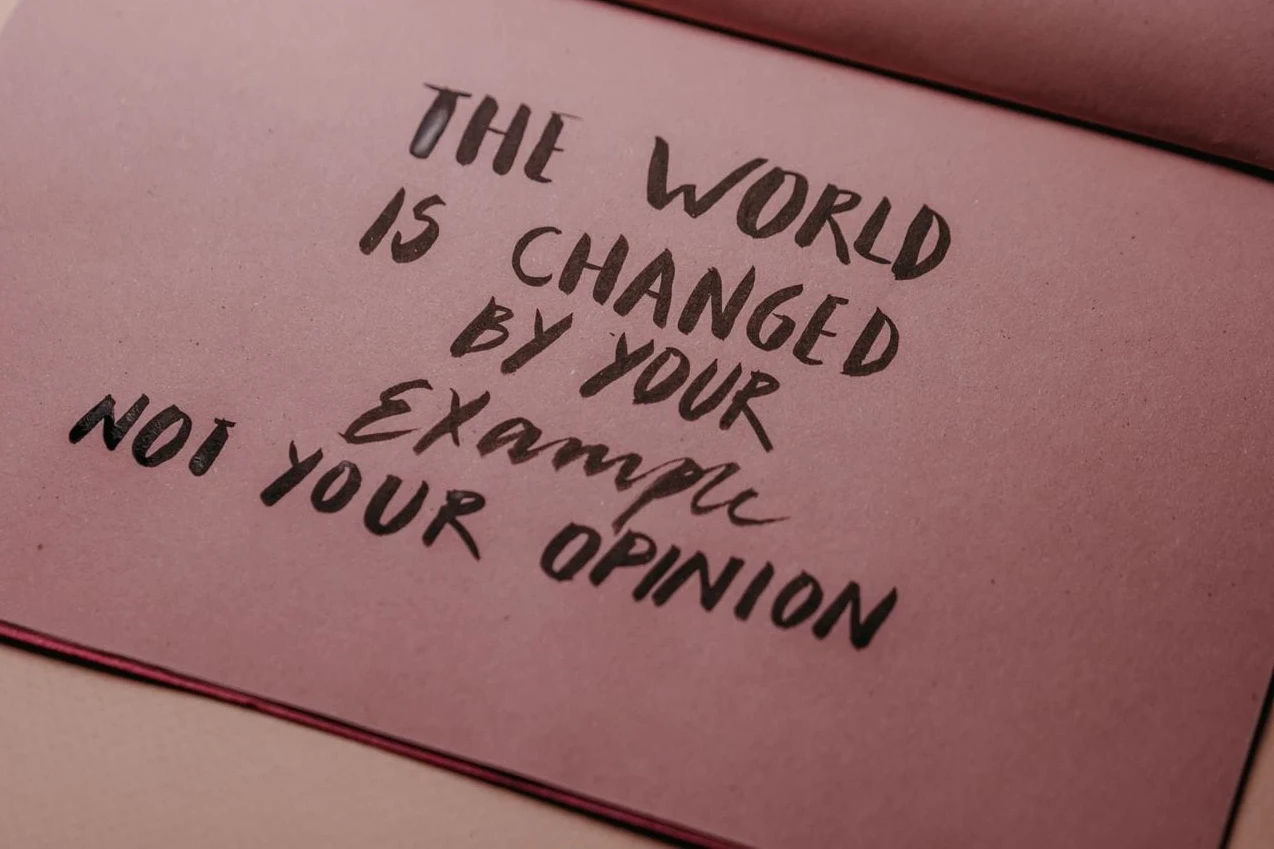
“You have to be willing to go to war with yourself and create a whole new identity.” — David Goggins —
Transforming your identity often means leaving old habits behind and embracing new ones. These new habits can act like anchors, helping you stay true to your new self even when the seas get rough.
Recognizing habits to change isn’t always easy. Reflect on which habits align with your goals and which ones don’t.
It might be as simple as swapping TV time for a book that inspires growth, or creating a morning routine that sparks joy and productivity.
When kicking negative habits to the curb, replacement is key. Instead of just dropping a habit, consider what positive behavior can take its place.
It’s about filling that gap with something beneficial.
Tracking your new habits makes a world of difference. Whether it’s a habit tracker app, a journal, or ticking off boxes on your calendar, seeing your progress visually can be incredibly motivating.
It’s like getting a nod of approval from yourself each day.
Habits don’t change overnight—even the positive ones. Practicing patience and persistence is important here.
Setbacks will happen, and that’s okay. Just remember to celebrate your small wins and learn from any blips along the way.
Establishing a routine can anchor these habits into your daily life, making them as natural as brushing your teeth. Over time, these little daily changes solidify, helping to maintain the transformation long after the initial excitement fades.
Celebrating Milestones and Continuous Learning
“Live as if you were to die tomorrow. Learn as if you were to live forever.”
Reaching milestones feels pretty good—it’s like hitting save points on this game of transformation you’re playing. Celebrating these little (or big!) wins gives you a boost and validates all the hard work you’ve put in.
Milestones are more than just an excuse for a little party, though. They’re checkpoints that show progress and help you assess if your past efforts are taking you toward the future you’ve envisioned.
Reflecting on these can help guide your next steps or even spark a course correction.
Taking a moment to celebrate doesn’t require anything extravagant. It could be as simple as treating yourself to that new book you’ve been eyeing or a day off doing something you love.
Acknowledging your success adds jet fuel to your motivation, pushing you further on your path.
Growth and transformation are ongoing journeys without an end in sight. This is where embracing continuous learning comes into play.
Life’s always sending new lessons your way, and being open to learning keeps this journey fresh and exciting.
Seek out new knowledge—be it through reading, experiences, or even chatting with others on similar paths. Each new piece of insight adds another layer to who you are, ensuring you’re not just changing but evolving.
Remember, the journey of transformation is as important as the destination itself. Milestones are signposts showing that you’re on the right track, but the quest for learning and growth is what keeps the journey rich and fulfilling.
Identity Transformation Strategies — Integrating Transformation into Daily Life
“In the social jungle of human existence, there is no feeling of being alive without a sense of identity.” — Erik Erikson —
So you’ve navigated the highs and lows of transformation—now what? Living your transformed identity isn’t a pause-and-reflect kind of moment; it’s about embodying those changes every single day.
The key is to weave this new version of yourself into your everyday life rather than treat it as a separate entity. It’s like learning a dance; initially, the steps might feel new and awkward, but over time, they become as natural as walking.
Start with small, consistent actions that resonate with your new identity. Whether it’s the way you start your morning, how you tackle work, or even your interactions with friends, these little actions compound.
Over time, they’re not only expressions of your change but also reinforce it.
Balancing the old and new parts of yourself is a delicate dance. It’s okay to integrate parts of your past that still serve you well with the new habits and thoughts you’ve adopted.
It’s not about fighting who you were but blending it with who you’re becoming.
Don’t forget about sustainability. Transformation shouldn’t be exhausting or feel like a constant uphill battle.
If it does, it might be time to reassess and tweak your approach. The goal is to balance growth with wellbeing.
Living out your transformation is an ongoing journey. It’s not about reaching a final destination but integrating your new insights, habits, and growth into the canvas of everyday life.
Remember, the essence of transformation is that it’s continuous, fluid, and—most importantly—your own.
To your Happiness & Success,
Joseph William

Hi Joseph,
The way you connect identity work to practical habits makes the piece feel grounded rather than abstract, and that balance is a nice touch. I especially like the emphasis on self-reflection plus small, repeatable actions, since that combination usually beats a big burst of motivation (that often fades fast).
The support-system angle also lands well because transformation tends to stick better when there’s accountability and real-world feedback. How do you see someone apply these strategies when they are rebuilding their identity around a new online business or remote career?
Thanks, Aly. I appreciate your thoughts. When applying these strategies to both business and personal life, it is essential to be clear on the specific goal and expect resistance along the way, as any type of change will bring our misperceptions to the surface. As we progress one meaningful step at a time, we will see our identity shift to accommodate our new responsibilities and advancement. All the very best, Joseph