
There are simple ways to establish a routine. A daily routine isn’t just for Type-A folks.
Routines create a sense of normalcy and stability, and who doesn’t need a bit more stability in their life, right? By having a routine, you’re actually giving your brain a break from having to make a ton of decisions every day, which, believe it or not, can be exhausting.
One of the biggest perks of having a routine is how it can boost mental health. When the world feels chaotic, having a rhythm to your day acts like an anchor.
It reduces stress because your brain knows what to expect—just like how knowing your favorite TV show’s gonna air every Thursday makes the whole week a bit more bearable.
Physical health rides high when routines are involved, too. Whether it’s a set mealtime, consistent workout schedule, or regular sleep patterns, routines can help maintain healthy habits long-term.
You’d be surprised how a little structure can keep your mood balanced and energy high.
And here’s the kicker: routines don’t have to be boring! They’re more like guidelines rather than set-in-stone commands.
Think of them as autopilot modes that let you focus on what you love without burning out. So, while it might feel like you’re putting yourself in a box, that box can actually set you free to be more creative, productive, and, most importantly, happy.
Simple Ways To Establish A Routine — Setting the Foundation: What Motivates You?
“The secret of your future is hidden in your daily routine.” — Mike Murdock —
Before jumping headfirst into any routine, it’s crucial to figure out your ‘why’. What gets you out of bed in the morning?
Think about the goals that excite you and those that resonate deeply with your values. By understanding what truly drives you, establishing a routine becomes a game of aligning your daily actions with those desires.
Get a grip on the difference between intrinsic and extrinsic motivation. Intrinsic motivation comes from within—it’s that satisfaction you get from doing something because you genuinely enjoy it or find it meaningful.
Extrinsic motivation involves external rewards like money, grades, or recognition. Knowing what fuels you can help tailor a routine that you’ll actually stick with.
If you’ve got a goal that’s meaningful to you, say, learning the guitar because you love music, it’s easier to weave this into your daily routine.
Taking the time to establish solid reasons for carving out a routine means you’re setting yourself up for success, not just going through the motions. Having clear, personal motivations makes sticking to new habits more engaging and less of a chore.
It transforms a routine from something intimidating into something empowering. So, reflect a bit, figure out your personal “why”, and watch how your intention shapes your actions and drives your routine.
Keep It Simple: Start Small and Build Gradually
“With consistency and reps and routine you’re going to achieve your goals and get where you want to be.” — Mandy Rose —
When it comes to building a routine, starting small is the name of the game. It might be tempting to try and overhaul your entire day, but that’s a fast track to burnout.
Instead, think of it like laying the first stone on a path. Every small step counts when you’re creating something as important as your day-to-day structure.
Breaking down tasks into smaller, manageable blocks is backed by science and makes sticking to your goals way more achievable. Trying to meditate every day?
Start with two minutes instead of 20. An avid reader but falling off track? Aim for a chapter a day, not the whole book.
These bite-sized tasks make it easier to get the momentum going without feeling defeated before you’ve even begun.
Want to double up on those habits? Enter the art of habit stacking.
It’s like piggybacking a new habit onto an already established one. Need an example?
You brew coffee every morning anyway—why not add a quick gratitude reflection while you wait? These little additions soon snowball into something much bigger, and before you know it, you’ve built a full-blown routine filled with things you value.
By keeping your approach simple and gradually layering new habits, you’re creating a routine that’s not just easy to manage, but genuinely a reflection of what you want to achieve.
Remember, it’s the tiny tweaks that lead to massive changes in the long run.
Simple Ways To Establish A Routine — Consistency is Key: Making Routines Stick
“Going to the gym and looking for a specific result is a short-lived existence, as opposed to going to the gym and adopting it as a lifestyle. Develop a routine, because it’s much harder to break it if you have one. If you have no routine, you have nothing to break, so discipline goes out the window.”
Establishing a routine is a marathon, not a sprint. It’s all about showing up consistently, even if you don’t feel like it.
Skipping one workout or meditation session might not seem like a big deal, but it can lead to the dreaded domino effect of abandoned habits. Consistency builds momentum and reinforces the routine until it becomes second nature.
Setting up reminders is your secret weapon in this battle. Whether it’s a sticky note on the fridge, an alarm on your phone, or a notification from your favorite app, these prompts help nudge you in the right direction.
Accountability partners can also add a sprinkle of social commitment—nothing like a friend checking in to keep you honest!
Habit-tracking apps can be a game changer, too. There are tons out there that let you set goals, track your progress, and even reward yourself for hitting those targets.
It’s not about fostering a perfect streak, but rather about acknowledging patterns, making adjustments, and moving forward with new insights.
Consistency is the glue that holds your routine together. With the right tools and mindset, sticking to your routine doesn’t just become easier; it becomes something you actually look forward to doing each day.
Flexibility Within Structure: Adapting to Change
“A true champion can adapt to anything.” — Floyd Mayweather, Jr. —
Life doesn’t always play by our rules, and that means routines need a little wiggle room. Being too rigid might make us feel like we’re failing when life throws us a curveball.
A solid routine is a guide, not a dictator, so having some flexibility woven in is essential.
Juggling unexpected work meetings, sudden family responsibilities, or just needing a breather can and should fit into your routine without throwing everything off balance. View interruptions as part of life and tweak your process accordingly rather than getting stressed about veering off course.
When things don’t go as planned, consider it a chance to reassess and readjust. Maybe your early morning wake-up calls fit better post-lunch—it’s your routine, after all!
Cultivating a flexible mindset means you can adapt without dropping the ball completely, keeping that momentum alive with little detours instead of derailments.
Flexibility in your routine isn’t about throwing in the towel; it’s about bending without breaking. By prioritizing adaptability, you safeguard against the fatigue that often accompanies failure, letting you bounce back with ease.
Simple Ways To Establish A Routine — The Power of Morning Rituals: Energize Your Day
“There is a comfort in rituals, and rituals provide a framework for stability when you are trying to find answers.” — Deborah Norville —
Kicking off your morning with a set routine can set the tone for a productive and energetic day. It’s like fueling your car before a long drive.
A morning ritual gives you a boost in energy, focus, and mood right out of the gate.
Crafting your perfect morning routine doesn’t have to be complex. Whether it’s sipping coffee while journaling, stretching, or a quick mindfulness session, finding what works best for you is key.
These activities should be things that energize and inspire you, offering you a peaceful start before the world wakes up.
Understanding your body’s natural energy rhythms can help you pinpoint the best time to tackle different tasks. Some folks hit peak performance right at sunrise, while others might need a more gentle start.
Knowing your patterns means you can align your morning rituals with your energy flows, making for a much more efficient and enjoyable start.
Resist the temptation to grab your phone first thing in the morning. Instead, focus on grounding your day with offline activities to center your thoughts before diving into the digital world.
By crafting a calmed approach to mornings, you set a foundation of focus and positivity that flows throughout your entire day.
Evening Routines: Wind Down for Better Sleep
“Routines may include taking a warm bath or a relaxing walk in the evening, or practicing meditation/relaxation exercises. Psychologically, the completion of such a practice tells your mind and body that the day’s work is over and you are free to relax and sleep.” — Andrew Weil —
Wrapping up your day with a calming evening routine is like giving your mind and body the memo that it’s time to shift gears. A good night-time ritual can make all the difference when it comes to sleep quality.
Creating an effective bedtime routine doesn’t have to involve a ton of steps. The key here is consistency.
Think about activities that help you relax: reading, light stretching, or listening to music. This routine should be a highlight, leading you into restful sleep.
Promoting relaxation doesn’t always mean a long, complicated process. Sometimes, it’s about the little things, like dimming the lights or sipping on herbal tea half an hour before bed.
These small actions can be powerful signals that tell your brain it’s time to wind down.
Keeping technology out of the bedroom is a smart move. Those last-minute scrolls on your phone can mess with your ability to truly wind down.
Instead, choose activities that help you disconnect from the day’s demands, setting the stage for deep, rejuvenating sleep.
By establishing an evening routine, you’re not only embracing better sleep but also setting up the next day for success. Restful nights lead to energetic mornings, and those mornings reinforce a satisfying, productive cycle.
Simple Ways To Establish A Routine — Tracking Progress and Celebrating Small Wins
“A lot of people have ridiculous misconceptions about diet and workout routines. It is not about exotic greens and workouts from the western world. It is about what works for you the best.” — Huma Qureshi —
As you build and fine-tune your routine, keeping tabs on your progress is crucial. It’s not just about checking off boxes; it’s about recognizing patterns that work and those that need tweaking.
Reflection helps in understanding what truly makes your days better.
Evaluating how your routine fits with your life goals sheds light on areas that might need attention. Are you as productive as you hoped?
Feeling more balanced? These insights offer valuable feedback, guiding future adjustments.
Celebrating small wins isn’t just fun—it’s important! These little victories reinforce your success and boost motivation.
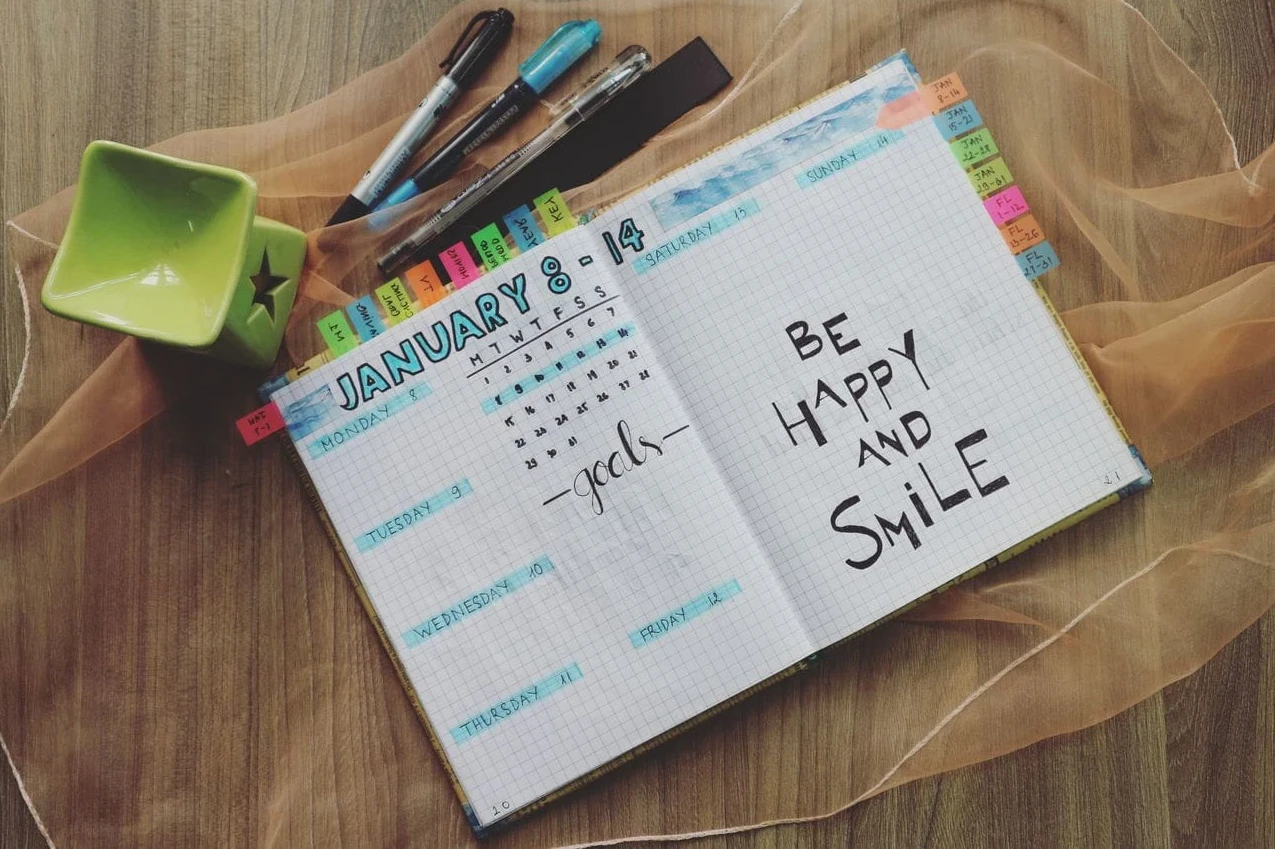
Whether it’s marking a successful week on a calendar or treating yourself to something special, acknowledging progress can propel you forward.
The act of celebrating these victories brings psychological backing too. It can enhance mood, increase energy levels, and confirm that you’re on the right path.
By rewarding yourself for sticking to your routine, you create a positive cycle that encourages further dedication.
Tracking and reward systems aren’t just survival tools—they’re empowerment tools. They reaffirm commitment and inspire continuous improvement, crafting a routine that’s resilient and reflective of personal growth.
To your Happiness & Success,
Joseph William

Thanks, Joseph; the balance between consistency and flexibility is where routine-building gets real for me as a musician and business owner. With writing projects and evening gigs competing for time, I’d rather aim for a manageable daily practice session than a strict schedule that becomes another source of pressure.
Your point about tracking patterns rather than protecting a perfect streak gives progress a little breathing room. I’d count returning to a habit after a disrupted day as a small win, too, rather than treating one missed session as starting from scratch.
I appreciate your thoughts, Aly. It’s all about small wins on a consistent basis. This is what maintains momentum, and “returning” is the key.