
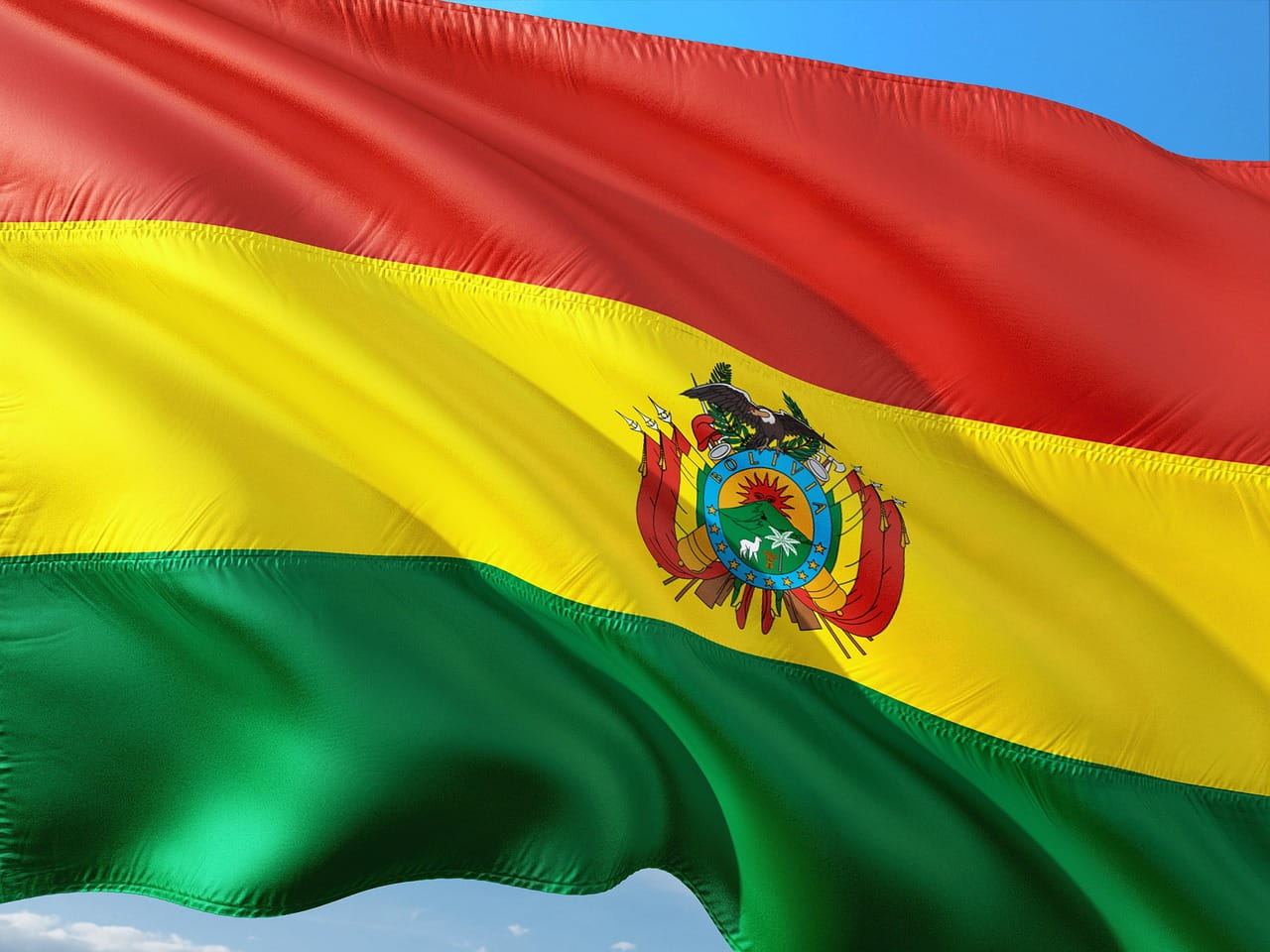
The best places to visit in Bolivia are numerous. La Paz, sitting pretty at an altitude of over 11,000 feet, is one of those places where the city itself is a marvel.
It’s kind of like a sprawling hub nestled within a bowl-shaped canyon, with snow-capped peaks of the Andes in the background. The altitude? Yeah, it might take your breath away, literally, thanks to the thin air, but what an experience!
Start your day with a visit to Valle de la Luna, a little outside the city, where the rock formations create a lunar-like landscape that’s just unreal.
While you’re in the mood for the extraordinary, the Witches’ Market isn’t to be missed. Here, stall after stall sells curious items—think dried llama fetuses and mysterious potions—all said to bring good luck and ward off evil spirits.
For a dollop of ancient history, Tiwanaku is the place to be. This pre-Columbian archaeological site offers clues to long-gone civilizations, with fascinating ruins that spark your imagination.
When hunger hits, you’re in for a treat. The local cuisine is, in a word, hearty. Dishes like salteñas and fricasé should be on your must-try list.
Toss in a cup of coca tea, and you’re set to conquer the city’s hills with gusto.
Oh, and let’s not skip the cable cars, because they’re just as much about the practicality as they’re about the views—like a sky tour of La Paz. Plus, it’s a super affordable way to get around and see the city from above.
Check Out This Video
Best Places To Visit In Bolivia — The Salar de Uyuni: An Otherworldly Experience
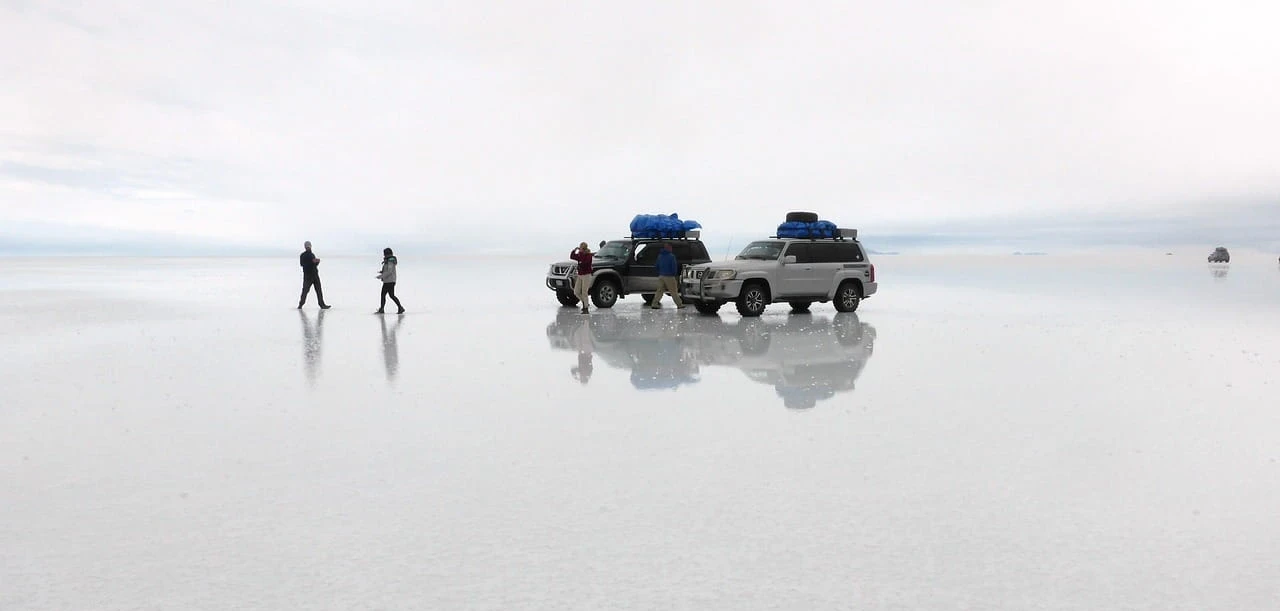
Picture a vast, white expanse stretching as far as the eye can see. The Salar de Uyuni, the world’s largest salt flat, offers an otherworldly experience that could easily be mistaken for a sci-fi movie set.
Spanning over 10,000 square kilometers, it’s a surreal landscape that dazzles and amazes.
The primary draw is the seemingly endless salt crust, left behind by evaporated prehistoric lakes. Walking here feels a bit like stepping onto a gargantuan mirror, especially during the rainy season when the flats transform into the Earth’s largest natural mirror, creating jaw-dropping reflections of the sky.
Don’t miss Isla Incahuasi, smack dab in the middle of the vast salt. This island is a quirky oasis with gigantic cacti and one of the best vantage points to soak in the views.
Whether it’s sunrise, sunset, or any time in between, the landscapes are unforgettable.
Wildlife at Salar de Uyuni? You bet! During certain months, the salt flats turn into breeding grounds for flamingos. You might also spot an Andean fox or two if you’re lucky, so have your camera ready.
Packing essentials should include sunglasses and sunscreen. The sun’s glare off the white surface can be intense, so be prepared.
And if you cherish a little comfort, spending the night in a salt hotel—yes, built entirely of salt bricks—is a unique Bolivian dream come true.
The Enchanting City of Sucre: Bolivia’s White City
Heading into Sucre, often referred to as Bolivia’s White City, you can’t help but be swept away by its colonial charms. The entire city’s like a living, breathing postcard, thanks to its beautifully preserved white-washed buildings that practically glow against the highland sky.
Wandering the cobbled streets, history buffs will find themselves in heaven. At the heart of it all is the Casa de la Libertad, the very spot where Bolivia’s Declaration of Independence was signed in 1825.
It’s like standing right in the pages of history.
Another must-see is La Recoleta, a former convent offering panoramic views of the city. It’s a serene spot perfect for a moment of reflection or snapping some Instagram-worthy shots.
While you’re soaking in history and architecture, dive into local delicacies too. The market food experience is a feast for the senses, with a chance to savor treats like chicha, an alcoholic beverage made from maize, along with delicious empanadas.
Sucre isn’t just about sights and bites; it’s also Bolivia’s constitutional capital. Many wouldn’t guess this softer, gentler city plays such a crucial role, as it’s often overshadowed by the hustle of larger cities.
Travel tip: Take time to engage with the locals. Their warmth and stories offer insights you won’t find in any guidebook, making your visit all the more enriching.
Best Places To Visit In Bolivia — Potosí: Reliving the Silver Boom
Potosí, once among the wealthiest cities on the planet, offers a raw peek into the power and peril of the silver mining boom. The star of this show?
Cerro Rico, the “Rich Mountain”, is famed for its abundant silver deposits, which fueled the Spanish Empire’s wealth during the 16th century.
The mines are still in operation, and while visiting them isn’t for the faint of heart, it provides a sobering view into the lives of miners today. It’s both eye-opening and humbling to see how much hasn’t changed over centuries.
In the city itself, the architectural splendor continues the story of grandeur. Walk through historic streets and keep an eye out for the city’s beautiful Baroque-style churches.
The Convent of Santa Teresa, with its rich religious art collection, stands as a testament to the city’s affluent past.
Don’t miss a stop at the National Mint of Bolivia, if only to marvel at the sheer historical significance. The exquisite building was once one of the world’s leading coin producers, and walking through it feels like stepping back in time, with old machinery and tales of treasures long gone.
Potosí leaves a profound impact beyond its historic lure, offering lessons in resilience. As you explore, remember to respect the miners’ ongoing struggles, paying homage to an era that literally shaped the world.
Amazon Adventures in Rurrenabaque
Rurrenabaque, often just called ‘Rurre’ by those in the know, is your gateway to the Bolivian Amazon. This little town may be small, but it’s packed with access to one of the most biodiverse places on Earth.
Your Amazon adventure starts right here, and let me tell you, it’s off the charts.
Boat rides down the Beni River are a thrill, letting you soak in the lush greenery while keeping an eye out for wildlife. From playful river dolphins to sneaky caimans, the Amazon fauna is nothing short of astounding.
If you’re feeling gutsy, try spotting jaguars during a guided tour—just don’t wander off the beaten path!
In Rurre, eco-tourism is big, with numerous lodges and tours emphasizing sustainability and supporting local communities. It’s all about balancing eco-friendliness without missing out on those Insta-gorg moments.
Timing is everything, and while the Amazon’s magical year-round, dry season (May to October) is more tourist-friendly. The trails are less muddy, and mosquitoes are less pesky.
Remember your insect repellent and lightweight, breathable clothing, though!
Meeting the locals is a highlight. Their warmth and wisdom offer invaluable insights into life in the Amazon, far beyond what you see in travel brochures.
Take time to learn about the indigenous cultures—many guides are locals eager to share stories and traditions.
Whether it’s paddling a canoe under the star-studded sky or just listening to the hum of the rainforest, Rurre is all about immersing yourself fully in nature’s embrace. Pack a bit of adventurous spirit, and you’re set for memories you’ll treasure forever.
Best Places To Visit In Bolivia — Lake Titicaca: The Highest Navigable Lake
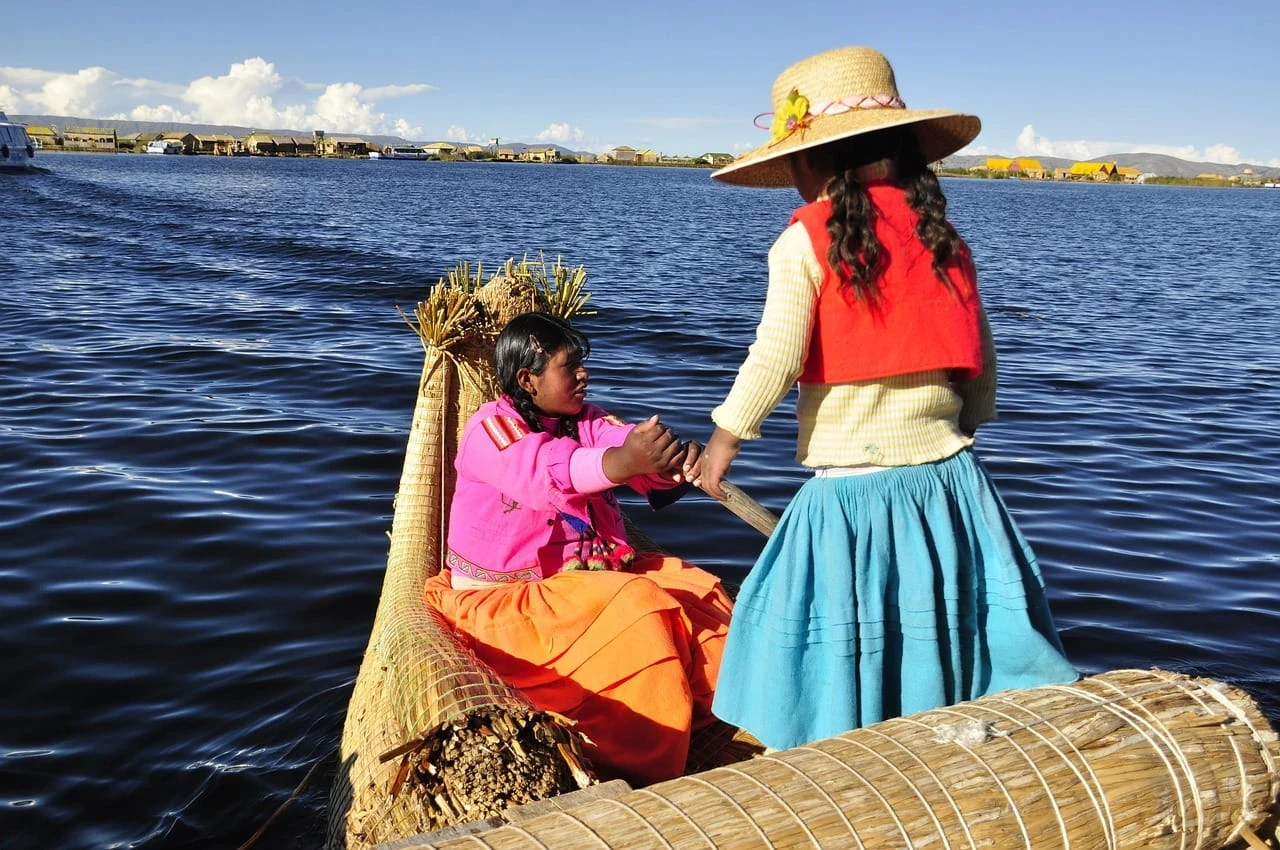
Picture this: a massive, shimmering lake stretching across two countries, sitting pretty at over 12,500 feet above sea level. Welcome to Lake Titicaca, the mystical birthplace of the Incan Empire and the world’s highest navigable lake.
Make a beeline for the islands, where ancient myths and vibrant cultures meet. Isla del Sol, or the Island of the Sun, is tied to the legend of the sun god, Inti.
You can hike across the island, discovering age-old ruins and soaking in the stunning views. Equally enchanting is Isla de la Luna, smaller but shrouded in just as much mystery.
But Lake Titicaca isn’t just about legends. The communities that call these islands home are rich in tradition and hospitality.
Visiting the Amantani or Taquile islands, you’ll find the locals eager to share their way of life, from traditional weaving to music and dance. Spending a night in a homestay is a different kind of magic—it’s all about genuine connections and understanding.
While you’re around, hop over to Puno, the lively city on the lake’s shores. It’s a treasure trove of culture, with festivals and handicrafts galore.
The place comes alive with color and music, so time your visit during a festival, if you can—it’s an explosion of joy and tradition.
For the best experience, pack layers, as temperatures can change quickly. And don’t forget sunscreen—the high altitude means a closer sun and a fiercer burn.
The blend of clear blue waters, ancient history, and warm community spirit is a combination that’s hard to beat.
Biking Adventure on the ‘Death Road’: A Thrill Seeker’s Paradise
Death Road, or officially Yungas Road, isn’t your average bike path. This legendary route stretching from La Paz to Coroico has earned a reputation as one of the world’s most dangerous roads, and for thrill seekers, it’s the ultimate challenge.
Expect a mix of adrenaline and awe as you make your way down. The ride kicks off amidst high-altitude peaks, quickly followed by a steep descent of over 11,800 feet.
Hairpin bends and narrow, unpaved stretches keep things interesting, with insane views of waterfalls and cliffs plunging into lush valleys below.
Staying safe is key. Gear up with a reliable tour operator who provides good equipment—think full-face helmets and body armor.
Listen to guides, take it slow when needed, and don’t forget, it’s perfectly okay to hop off and walk if you feel uneasy.
The stunning scenery adds another layer of excitement. Cloud forests unveil exotic flora and fauna, giving you moments to pause and absorb the verdant beauty around you.
Reaching Coroico, the road’s unofficial end, feels like conquering an epic quest. This laid-back town offers the perfect wind-down with its lush orchards, cozy cafes, and serene vibes.
A swim in natural pools or a stroll through the local market lets you ease out of the biking high.
Pro-tip: Pack light but effectively. Layers are your best friend here. Start with those that brace the cold highlands and transition to breezy wear as you descend into the humid tropical climate. If riding with seasoned operators, they’ll often include stops to help you acclimate and enjoy the ride fully.
Best Places To Visit In Bolivia — Enriching Experiences in Santa Cruz de la Sierra
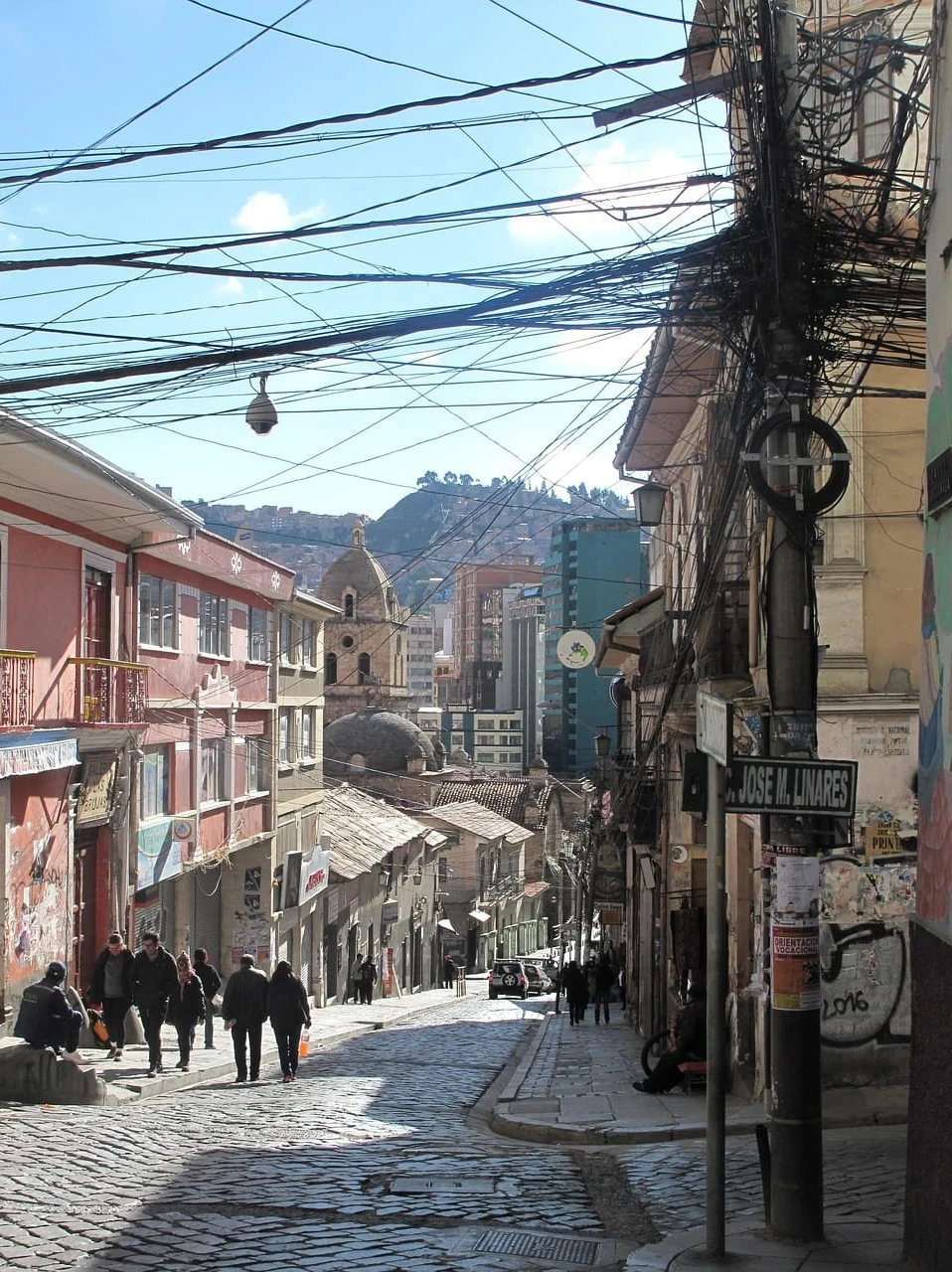
Santa Cruz de la Sierra, often just Santa Cruz, surprises with its mix of bustling urban rhythm and natural wonders. It’s kind of like walking through a cosmopolitan gateway, with tall glass buildings and lively streets hinting at Bolivia’s modern growth.
What truly sets Santa Cruz apart is its diversity in experiences. Not far from the urban hustle, Amboró National Park offers an untouched paradise where you can wander through lush forests, spotting wildlife amid spectacular scenery.
Or, hit up Lomas de Arena—a natural wonder where dunes create an oasis-like vibe perfect for sandboarding or simply soaking up the sun.
Back in the city, Santa Cruz doesn’t skimp on cultural richness. From avant-garde galleries to vibrant festivals, art and tradition blend seamlessly here.
The local food scene is equally eclectic, serving everything from traditional dishes like locro to international flavors. Try venturing into markets for fresh tropical fruits—there’s a reason Santa Cruz thrives as Bolivia’s culinary cradle.
Want to blend in with locals? Spend a lazy afternoon at one of the expansive parks or join football enthusiasts at the stadium.
The open-air vibe of the city’s central plaza also makes for perfect people-watching or just unwinding at a café.
Combine warm hospitality with the city’s ever-evolving landscape, and Santa Cruz becomes more than just a stopover—it’s an immersive experience. It’s a place where old-world charm meets forward-facing energy, giving you yet another reason to explore every layer of Bolivia’s rich tapestry.
Accommodations In Bolivia
Bolivia offers a wide range of unique accommodations, from city hotels in La Paz to magnificent eco-lodges made entirely of salt on the Uyuni salt flats. Popular regions and highly-rated stays include:
La Paz (Urban & Boutique)
- Atix Hotel: Located in the upscale Calacoto neighborhood, this 5-star boutique hotel features contemporary Bolivian artwork, a rooftop pool, and a renowned gourmet restaurant.
- Stannum Boutique Hotel & Spa: Located centrally near dining and cable car stations, offering minimalist suites and spectacular mountain and city views.
Uyuni Salt Flats (Unique / Nature)
- Hotel Palacio de Sal: Known as the world’s first salt hotel, this iconic property is built entirely from salt blocks and sits right on the edge of the Salar de Uyuni.
- Luna Salada Hotel de Sal: A rustic yet luxurious salt resort overlooking the salt flats, featuring scenic public areas and modern bathrooms.
🌳 Santa Cruz de la Sierra (Tropical & Resort)
- Los Tajibos, a Tribute Portfolio Hotel: A sprawling 5-star property featuring lush gardens, a large, tranquil swimming pool, and an excellent local/international breakfast buffet.
- Marriott Santa Cruz de la Sierra Hotel: A modern hotel in a trendy neighborhood featuring a stunning rooftop pool and high-end amenities
Lake Titicaca (Cultural & Scenic)
- Hostal Las Olas (Copacabana): Highly rated by travelers, this whimsical property consists of unique, artist-designed suites with beautiful lake views and gardens.
- Ecolodge INTI WATA: Situated on the Island of the Sun (Isla del Sol), offering an immersive, sustainable lodging experience.
Happy Travels,
Joseph William

The idea of spending a night in a hotel made from salt bricks really caught my attention. I have seen beautiful photos of Salar de Uyuni before, but I never thought much about what it would actually feel like to stay there after the sun goes down. I imagine the temperature drops quickly, and the whole experience must feel very different from an ordinary hotel. I would probably spend half the evening examining the walls and furniture just to see which parts are truly made of salt! Do the rooms in these salt hotels remain warm and comfortable overnight, or would you recommend staying for the experience for only one night?
Thanks for your thoughts and comments, Hanna. I would prefer to spend one night just for the experience.