

The power of gratitude isn’t just about saying thank you when you get a gift. It’s got deep roots in history and is seen across different cultures.
From ancient religious texts to modern self-help books, gratitude has been celebrated as a key to living well. It’s more than manners; it’s a mindset that can transform how we see the world and interact with it.
Let’s break it down. Gratitude is a powerful emotion that happens when we appreciate what’s good in our lives.
It’s the warm fuzzy feeling when someone does you a favor or when you notice the little things, like a sunny day or a friend’s smile. But it’s not just feeling happy—gratitude changes how we think and act, making us more positive and proactive.
While positivity is about thinking happy thoughts, gratitude is about appreciating what’s already there. It turns what we have into enough, flipping our perspective on everyday situations.
When you’re grateful, life feels fuller, stress takes a backseat, and your relationships get a healthy boost.
Every day life is full of moments where gratitude can shine. Helping someone, sharing a laugh, or even just savoring your morning coffee can all be stuffed with gratitude.
By tapping into these moments, you can feel lighter and more connected to yourself and others. So next time something good happens, even something small, take a moment to feel the gratitude.
It’s a free way to brighten up your day.
Power Of Gratitude — Scientific Evidence Behind the Power of Gratitude
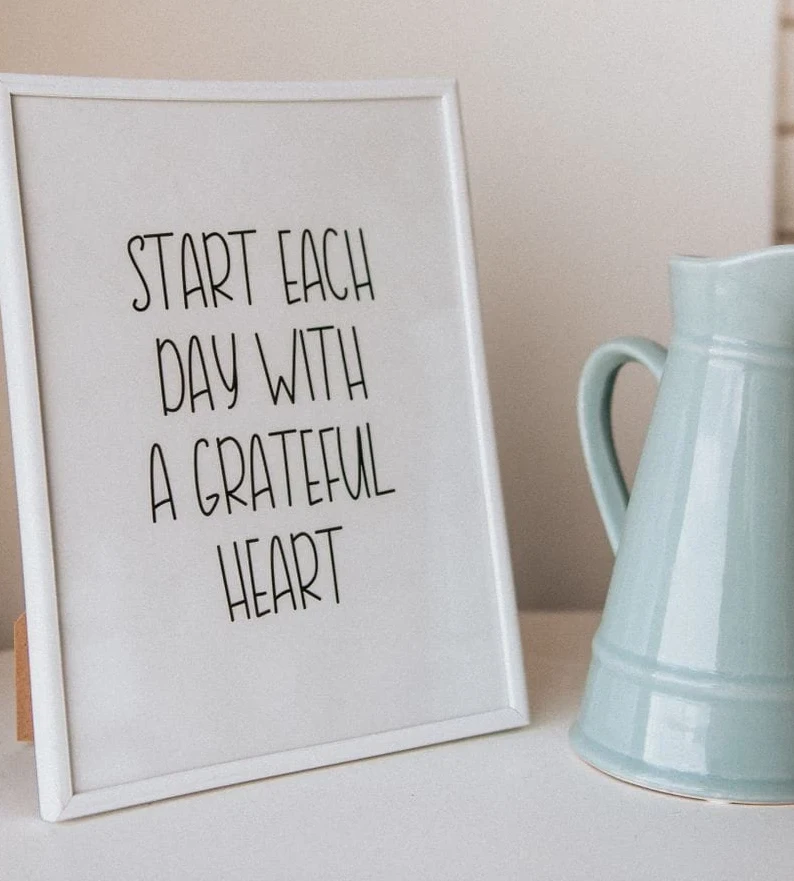
“At times our own light goes out and is rekindled by a spark from another person. Each of us has cause to think with deep gratitude of those who have lighted the flame within us.” — Albert Schweitzer —
Gratitude isn’t just a feel-good concept – there’s real science backing it up. There’s a growing body of research showing that being thankful can significantly boost your mental health.
People who practice gratitude regularly report feeling happier and more optimistic about their lives. It’s almost like a natural antidepressant, helping to reduce symptoms of anxiety and depression.
It’s not all in the mind either. Gratitude has some surprising benefits for physical health, too.
It’s linked to lower blood pressure, fewer aches and pains, and even better sleep. Scientists think this is because being grateful helps you stress less, which in turn can keep those stress-related health problems at bay.
If you’ve ever wondered why gratitude is so impactful, part of the answer lies in your noggin. Studies have found that gratitude activates regions in the brain associated with emotion regulation and empathy.
This neural activity helps explain why grateful folks often have a more positive outlook on life and stronger connections with others.
Case studies provide some tangible examples of gratitude’s power. One I came across involved folks keeping a gratitude journal.
Over a few weeks, they reported fewer visits to the doctor, fewer stress symptoms, and a more upbeat mood. These findings aren’t just encouraging—they’re a nudge to try out gratitude yourself and see what changes you notice.
Gratitude and Mental Health: Creating Emotional Stability
Feeling gratitude and not expressing it is like wrapping a present and not giving it. — William Arthur Ward —
Gratitude can be a game-changer for mental health, kind of like a trusty sidekick battling stress and anxiety. By shifting focus from what’s missing to what’s present, gratitude can ease the weight of worry and sadness.
It’s like sending out positive vibes that pay you back twofold.
Research shows that gratitude practices are linked to a decrease in symptoms of anxiety and depression. It’s like a mental workout—strengthen those gratitude muscles, and you’ll find that worries start losing their grip.
Instead of getting sucked into negative thought loops, gratitude helps break the cycle, leaving space for more balanced, positive thoughts.
Handling stress is another area where gratitude shines. Picture it as having a shield against the daily grind.
When stress tries to crash the party, gratitude keeps the mood steady, reducing stress levels and helping you face challenges with a clearer mind.
Stories of people using gratitude to recover from mental health struggles are inspiring. Whether it’s finding daily moments of joy or rethinking past issues with a grateful lens, these folks show us that gratitude isn’t about ignoring problems—it’s about finding light even when things seem dark.
Building resilience is another perk. Gratitude nurtures a stronger emotional foundation, helping you bounce back from setbacks with a bit more ease.
Whether it’s jotting down what’s good each day or saying a quiet thanks, these practices can fortify emotional walls, prepping you for whatever life throws your way.
Power Of Gratitude — Building Stronger Relationships with Gratitude
“One looks back with appreciation to the brilliant teachers, but with gratitude to those who touched our human feelings. The curriculum is so much necessary raw material, but warmth is the vital element for the growing plant and for the soul of the child.” — Carl Jung —
Gratitude can be a superpower when it comes to relationships. It acts like a glue that holds people together, strengthening bonds and making interactions more meaningful.
Whether you’re talking about romantic partners, friends, or family, gratitude is like a built-in boost that enhances connections on all fronts.
For couples, expressing appreciation can move mountains. It can transform a good relationship into a great one.
When both partners are actively grateful, it fosters a sense of partnership and intimacy. Instead of focusing on faults, gratitude shifts the spotlight to the little things that make each other special.
Even for friends and family, gratitude can heat things for the better. It’s about appreciating your buddy’s humor or admiring your sibling’s resilience.
This attitude breeds positivity, making the good times roll and the tough times easier to handle.
In workplaces, where stress and conflict can pile up, gratitude that’s openly shared can change the vibe completely. Simple thank-yous or recognition for hard work can build a supportive atmosphere.
This makes teamwork tighter, and productivity naturally skyrockets.
Communities, big or small, can mend and grow through collective expressions of gratitude. There are stories where gratitude initiatives have brought neighborhoods closer together, turning strangers into friends.
Whether through organized community thank-you events or just individual actions, gratitude spreads positive energy.
Practicing gratitude in any of these areas isn’t about grand gestures—often, it’s the small, consistent actions that matter. Writing a thank-you note, acknowledging effort, or simply saying “I appreciate you” can create a ripple effect of warmth and goodwill.
Practical Ways to Cultivate Gratitude in Daily Life
“Live a life full of humility, gratitude, intellectual curiosity, and never stop learning.” — GZA —
Gratitude’s not just a feeling—it’s a skill you can build. Adding gratitude to your daily routine doesn’t have to be a big deal.
Start small, and before you know it, it becomes second nature.
One easy way to kick off a gratitude habit is to keep a journal. Grab a notebook, and jot down a few things you’re grateful for each day. It doesn’t have to be profound.
Maybe it’s the smooth taste of your morning brew or a funny meme that made your day. Whatever it is, writing it down helps you see how much good there is, even on rough days.
Consistency is key when it comes to gratitude journaling. Making it a daily habit, like brushing your teeth, wires your mind to spot more positives.
Over time, it helps reshape your thought patterns, making you more alert to the joys around you.
Gratitude fits perfectly with mindfulness, too. During meditation, focus on what you appreciate in life, no matter how small.
This practice not only centers you but also blends gratitude and mindfulness into a soothing routine.
You don’t need to wait to feel gratitude, either. Take initiative and express it.
Send a thank-you text or tell someone to their face why you appreciate them. You’ll be surprised at how powerful these little acts can be.
Turning gratitude into a lifelong habit is more about frequency than intensity. Start by setting aside a few minutes a day to reflect on what you’re thankful for.
As it becomes a habit, you’ll find yourself more optimistic and connected to the world around you.
Power Of Gratitude — Cultivating a Grateful Mindset in Children and Teens
“As we express our gratitude, we must never forget that the highest appreciation is not to utter words, but to live by them.” — John F. Kennedy —
Instilling the habit of gratitude in kids and teens early on can set them up for a happier, more fulfilling future. It’s a priceless life skill that can shape them into more empathetic and well-rounded individuals.
Teaching gratitude begins at home. Share with your little ones the value of saying thank you, not just as polite manners, but as a genuine expression of appreciation.
Kids learn by example, so when they see you practicing gratitude, they’re more likely to pick it up.
Make gratitude fun through interactive activities. Create a family tradition around gratitude, like sharing what you’re thankful for at the dinner table or starting a ‘gratitude jar’ where family members can drop in notes about things they’re grateful for.
These small acts encourage a spirit of thankfulness in a fun and engaging way.
Gratitude has a big impact on a kid’s self-esteem. Teaching them to appreciate their strengths and recognize the positives in their lives fosters a sense of self-worth.
It helps them focus on what they can do, not just what they’re lacking.
Schools are also jumping on the gratitude train by including it in their programs. Gratitude-focused lessons or projects allow kids to practice gratitude in different settings, deepening their understanding and ability to apply it in everyday situations.
By nurturing a thankful heart in children and teens, you’re not just teaching them to be courteous; you’re equipping them with tools to navigate life’s ups and downs with resilience and positivity.
Addressing Challenges: Overcoming Barriers to Gratitude
“Happiness cannot be traveled to, owned, earned, worn or consumed. Happiness is the spiritual experience of living every minute with love, grace, and gratitude.” — Denis Waitley —
Life isn’t always rainbows and butterflies, and sometimes feeling grateful can seem like a tough gig. We all hit moments when finding that silver lining is tricky, and that’s okay.
Recognizing these barriers is the first step towards tackling them.
Personal challenges, like stress at work or personal loss, can overshadow our ability to see the good. One approach to handle these times is focusing on small gratitude moments, like enjoying your favorite song or a kind gesture from a friend.
Tiny glimpses of good can slowly build up positivity, even when things feel dark.
Societal pressures and cultural differences can also make expressing gratitude tricky. In some places, openly appreciating others might be seen as unusual or even unnecessary.
Navigating these societal norms means finding your comfort zone—what works for you and feels genuine. Knowing there’s no one-size-fits-all here helps you find your way to be both honest and grateful.
For those who’ve been through tough times, balancing gratitude with hardship might sound impossible, but it’s more about perspective than dismissing the bad. Acknowledging pain while seeking moments of joy and thankfulness isn’t dismissive—it’s brave, a sign of resilience.
Utilizing support systems, like friends, mental health professionals, or gratitude communities, can provide a sounding board and encourage maintaining a grateful mindset. Engaging with others who share similar experiences can offer fresh insights and reinforcement, guiding you to see the light through the clouds.
Power Of Gratitude — The Global Movement: Acknowledging the Ripple Effect of Gratitude
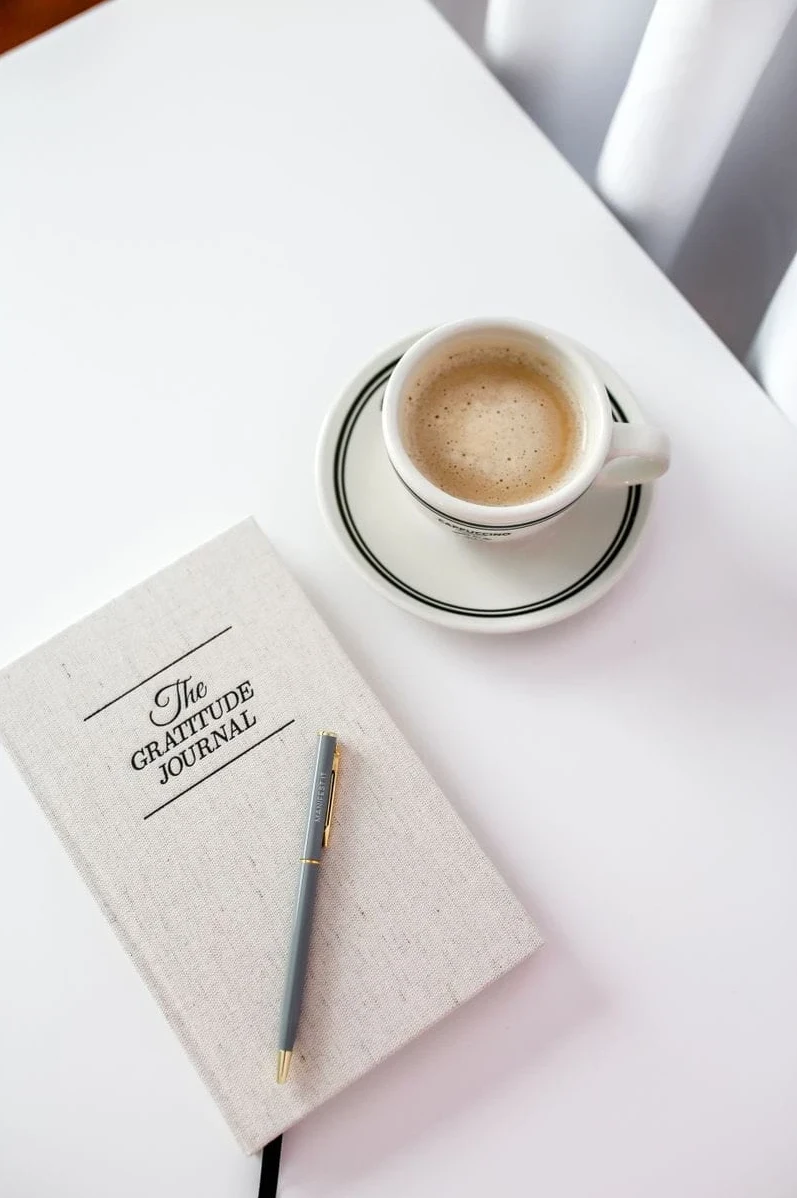
“Gratitude is the healthiest of all human emotions. The more you express gratitude for what you have, the more likely you will have even more to express gratitude for.” — Zig Ziglar —
Gratitude isn’t just a personal experience; it’s a global phenomenon that’s creating waves of positive change everywhere. People all around the world are waking up to the power of gratitude to unite, uplift, and inspire communities to act for the greater good.
There are countless stories of individuals transforming their lives simply by embracing gratitude. From recovering from personal setbacks to reigniting their passions, these tales show how powerful gratitude can really be.
Such stories aren’t just heartwarming—they’re proof that gratitude can be a catalyst for real, profound change.
Gratitude initiatives are sprouting up worldwide, linking people across cultures and backgrounds. These movements, whether they’re local community projects or international campaigns, focus on spreading the positive energy that gratitude naturally fosters.
They demonstrate that when we unite our gratefulness, we build stronger, more compassionate societies.
Gratitude isn’t just about feeling good; it’s about taking action that reflects those feelings. Initiatives that connect gratitude with activism show this beautifully.
By channeling gratitude into helping others and sustaining the world, these movements ensure that one person’s gratitude can spark a chain reaction of positive support and activism.
Getting involved in a gratitude community or project is easier than you might think. Whether online or in person, these groups offer spaces to share experiences, support each other, and push for positive changes in society.
By being part of a collective effort, you contribute to a larger movement that benefits not just individuals but communities worldwide.
With a grateful heart,
Joseph William