

Let’s discuss the neuroscience of procrastination. It is more than just putting stuff off until the last minute.
It’s when our brains play a game of tug-of-war between what we need to do and what we feel like doing. It messes with decision-making, weighs us down with delay tactics, and, honestly, can be a total buzzkill when it comes to handling responsibilities.
Decision paralysis is a thing to watch out for. It’s like when you’re faced with numerous options or tasks, your brain becomes gridlocked trying to figure out where to start.
It’s not just about time management. It’s like your brain’s way of throwing its hands up and saying ‘nope’!
Procrastination definitely gets its power from how our brains are wired. Our brains work in mysterious ways, sending signals that either help us accomplish tasks or trip us up with excuses. Knowing how your brain ticks can really change the game of how you get stuff done.
Neuroscience Of Procrastination — The Brain’s Role in Procrastination: An Overview
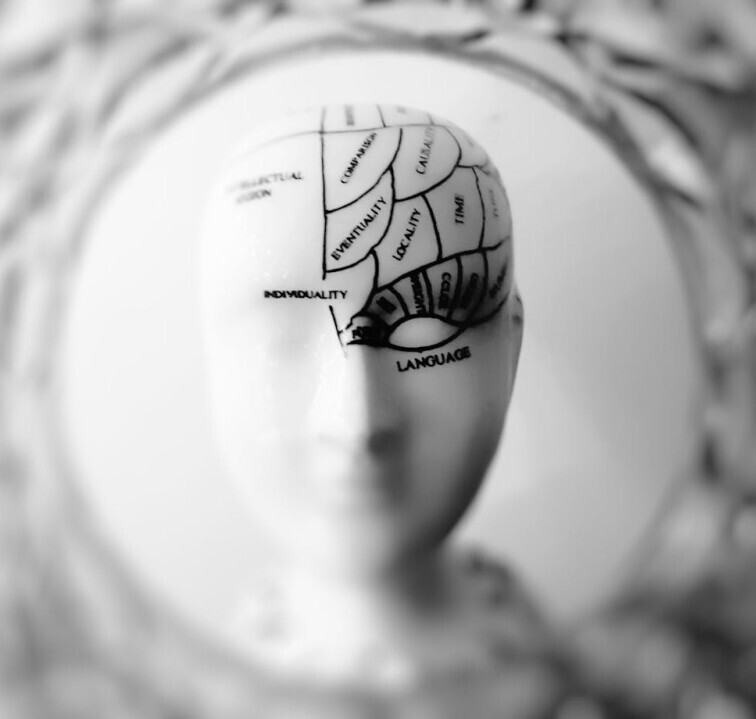
“The essence of procrastination lies in not doing what you think you should be doing, a mental contortion that surely accounts for the great psychic toll the habit takes on people. This is the perplexing thing about procrastination: although it seems to involve avoiding unpleasant tasks, indulging in it generally doesn’t make people happy.” — James Surowiecki —
In procrastination city, the prefrontal cortex is the mayor. This part of your brain is all about planning, decision-making, and self-control.
When it’s working like a well-oiled machine, you’re on top of things. But when it’s not firing on all cylinders, that’s when procrastination shows up with its feet on the furniture.
Then we’ve got the amygdala—the drama queen of the brain—screaming about what feels good and safe, which sometimes leads you straight to Netflix instead of that important deadline staring you in the face. Emotions play a huge role, making us gravitate toward immediate comfort over long-term payoffs.
The neural pathways in your noggin are like highways crisscrossing with various destinations: motivation, reward, fear, and distractionville. Procrastination happens when the roads get jammed or shortcuts mislead you to less important tasks.
Understanding these highways and giving the green light to productive routes can shrink delay times and boost productivity.
Emotional Regulation and Its Impact on Procrastination
“Procrastination is the bad habit of putting off until the day after tomorrow what should have been done the day before yesterday.” — Napoleon Hill —
Emotions are the secret puppeteers behind our actions, especially when it comes to procrastination. Ever noticed how a bad mood can derail your productivity train? That’s your brain prioritizing emotional relief over task completion.
One big player in this game is emotional regulation—your brain’s thermostat for feelings. Adjust it right, and you manage stress, stay focused, and keep procrastination at bay. But when emotions run wild, they push your brain towards what’s easy rather than what’s necessary.
Stress and anxiety are like uninvited guests that overstimulate the amygdala and kick your decision-making into the slow lane. These unwelcome feelings make it tough to jump into action. Recognizing stress triggers and practicing techniques to calm your mind can clear the fog and set you on a path to action.
Breathing exercises, mindfulness, and maybe even a walk can help you regain that much-needed emotional balance. Your brain isn’t your enemy here; it’s just looking out for comfort. Show it some new ways to find peace, and you’ll take back control from procrastination.
Neuroscience Of Procrastination — The Motivation Factor: How Our Brains Process Rewards
“Imagination only comes when you privilege the subconscious, when you make delay and procrastination work for you.” — Hilary Mantel —
Motivation is that spark in our brains that fuels action, and at its core, it’s all about rewards. You know that rush of satisfaction you get from crossing something off your list? That’s dopamine, the brain’s happy chemical, giving you a little high-five.
This chemical reaction isn’t just about the joy of completing tasks, though. Our brains are wired to seek rewards and dislike delays in gratification.
When immediate rewards are in sight, motivation skyrockets, but if those rewards feel too distant, procrastination often sneaks in.
Complex motivational factors can steer you off course. Sometimes, the tasks that promise a future big payoff just don’t stand a chance against the immediate satisfaction of something like scrolling through social media.
To trick your brain into staying motivated, break tasks into smaller wins. Synchronize rewards with each completed chunk to keep that dopamine flowing.
Whether it’s a quick break, a snack, or just a mini-celebration, these small rewards can reinforce positive behavior and minimize procrastination.
Decision Making and Executive Function: Their Influence on Procrastination
“I’d be more frightened by not using whatever abilities I’d been given. I’d be more frightened by procrastination and laziness.” — Denzel Washington —
Executive function is like the brain’s project manager, keeping track of what needs to get done and planning the steps to make it happen. It’s this part of the brain that helps prioritize tasks, set goals, and stick to plans.
When executive function is lagging, procrastination loves to take the driver’s seat. It confuses priorities and makes you second-guess your choices.
Instead of tackling tasks head-on, you might put them off for later.
The decision-making process is about selecting the right path among options. But when options seem overwhelming or tasks too daunting, the brain may default to avoidance. This detour leads straight to procrastination land.
To sharpen decision-making and executive function, try limiting distractions and reducing clutter, both physically in your space and mentally by avoiding multitasking.
Chunking work into more manageable parts can help too, making decisions easier and giving executive function a clearer runway. Over time, these strategies can help turn procrastination into productivity.
Neuroscience Of Procrastination — The Role of Anxiety and Fear
“I have an advanced degree in procrastination and another one in paranoia.”
Anxiety and fear are like sneaky culprits that often hide behind the mask of procrastination. When faced with a task that seems daunting or unfamiliar, fear can easily override our rational thinking.
Fear responses trigger the amygdala, making you overestimate the negative outcomes or difficulties of the task at hand. Even if these concerns are exaggerated, they can cause a freeze reaction, leaving you stuck in a cycle of delay.
Anxiety doesn’t just drain your energy; it clouds your focus and hampers your ability to plan effectively. This emotional fog makes it tough to start or stick with a task, increasing the allure of avoidance.
Breaking this pattern means tackling fear and anxiety head-on. Start by recognizing these emotions in the moment, then practice grounding techniques like mindfulness or gentle breathing to calm your mind.
Creating a step-by-step plan can also help, making tasks seem less overwhelming.
As you gradually practice facing small fears, the brain learns to switch off the threat alarm more quickly. This helps reduce procrastination and enhances your ability to take action, even when tasks feel intimidating.
Distraction and Focus: Their Neurological Underpinnings
“The interesting thing about overthinking and procrastination is sometimes they can actually evolve into innovation and creativity in the short term. Letting an idea grow in your mind in the short term with a deadline and a plan can actually lead to innovation and creativity.”
Distractions are like shiny objects for the brain, leading it away from what really needs attention. Whether it’s the phone buzzing or an interesting article popping up, these can pull focus away from important tasks.
When distractions strike, the brain’s attention highway veers off course. This can create a lack of focus that feeds procrastination.
In a world full of competing stimuli, keeping the brain on track requires some strategy.
Technology is a massive player in the distraction game.
Constant notifications, apps, and digital clutter make it tough for the brain to maintain a singular focus. When brain circuits adapt to frequent interruption, staying on task becomes a Herculean effort.
Improving concentration starts with setting boundaries for distractions. Silence your phone, create a dedicated workspace, or even use apps designed to block digital interruptions. These actions help your brain commit to a task more fully and get into a state of flow.
Breaking tasks into timed intervals can also boost focus. Techniques like the Pomodoro, where work is divided into small bursts with breaks in between, can help the brain sustain attention. This can drive productivity up and push procrastination out the door.
Neuroscience Of Procrastination — Practical-Based Strategies
“Know the true value of time; snatch, seize, and enjoy every moment of it. No idleness, no laziness, no procrastination: never put off till tomorrow what you can do today.” — Philip Stanhope —
Putting the brakes on procrastination starts with grounding practices rooted in neuroscience. Mindfulness techniques, for instance, can rewire the brain’s response to stress, helping you stay centered when the urge to delay creeps in.
Simple breathing exercises or a few minutes of meditation each day can enhance awareness and reduce impulsivity.
Cognitive-behavioral approaches offer another route to curb procrastination. They center on recognizing and reshaping negative thought patterns that lead to delay tactics.
By identifying these processes, you can swap them for more proactive, positive actions that align with your goals.
Inject some everyday habits into your routine, like setting clear, achievable goals to give your brain a consistent dopamine boost from small wins. Customize your environment to minimize distractions, making it easier to dive into focus mode. Even a simple thing like a do-not-disturb sign can make a big difference!
These strategies are all part of the neuroscience of procrastination. These, combined with patience and persistence, train your brain to be less susceptible to the calls of procrastination. With practice, they can change how your brain perceives tasks, making them less daunting and more about the satisfaction of getting things done.
Now, let’s use this neuroscience of procrastination to make a positive difference in our lives.
To your success,
Joseph William

This was an insightful and relatable breakdown of procrastination from a neuroscience perspective. I really liked how you explained the tug-of-war between the prefrontal cortex and the amygdala—it makes the struggle feel far less like a personal flaw and more like a brain wiring issue. The sections on emotional regulation and dopamine-driven motivation were especially helpful, offering practical ways to work with the brain instead of against it. Your emphasis on breaking tasks into smaller wins and calming anxiety through mindfulness feels realistic and actionable. I also appreciated the balance between scientific explanation and everyday examples, which keeps the topic engaging. Overall, this post does a great job of turning a frustrating habit into something understandable, manageable, and ultimately empowering.
Thanks so much, Adre, for your thoughts and insights. Very much appreciated.
Hi Joseph,
This was such an informative article on procrastination, that I learned so much more about.
When I stopped drinking alcohol in May 2024, my procrastinating of tasks dropped by almost 100%. It was my hangovers that was making me procrastinate the most especially when they lasted more than one day.
But learning more about the neuroscience of procrastination has helped even more. I am going to share this article with my friends because I know they will find it helpful too.
Keep up the great work.
All the best,
Tom
Thank you, Tom, for your many insights. Best, Joseph